
How to Make a Vacuum Last 20 Years: The Maintenance Schedule We Give Our Customers
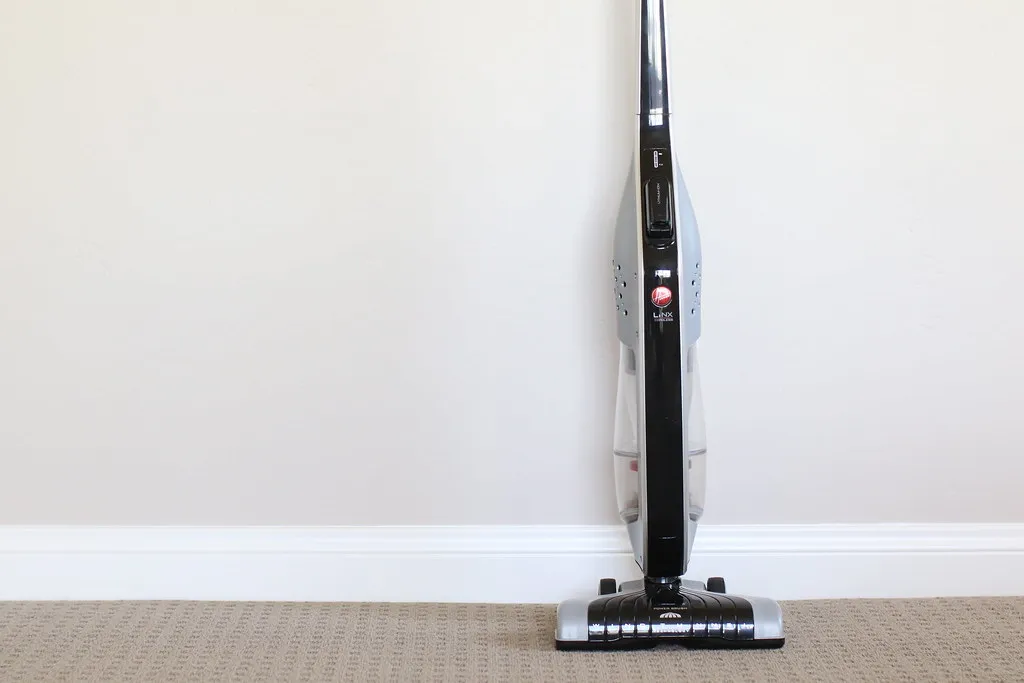
The vacuums that reach twenty years on our bench aren’t lucky — they’re maintained. And the machines that die at four years usually die of neglect, not defect: a belt that slipped for a year, a filter that never got changed, hair wrapped so deep in a brush roll that the bearings cooked. Here’s the schedule we hand customers at the counter, organized the way maintenance actually happens: by calendar.
Every use (takes ten seconds)
Glance at the bag or cup. Empty bagless cups at two-thirds, not at “completely packed.” Replace bags when two-thirds full — fine dust chokes bag pores long before the bag looks full. Running a vacuum on a full bag is the single fastest way to overheat a motor.
Monthly
Flip the machine over and look at the brush roll. Scissors or a seam ripper down the length of the roller takes off wrapped hair in one pass. Do it monthly and it’s a two-minute job; do it never and the wrap works into the bearings, the bearings drag, the belt overheats, and a two-minute job becomes a repair ticket.
Check the bristles while you’re there. Bristles worn to nubs don’t groom carpet no matter how strong the suction is.
Every 3 months
Wash or replace the pre-motor filter. This is the filter that protects the motor, and it’s the most neglected part in vacuuming. If it’s washable, rinse until the water runs clear — then let it dry for a full 24–48 hours before reinstalling. A damp filter chokes airflow and breeds odor. If it’s not washable, or it looks gray and exhausted after rinsing, replace it.
Wipe the seals and gaskets. Dust on a bag-collar gasket or dust-cup rim breaks the seal, and a vacuum with a leak pulls air through the leak instead of your carpet.
Every 6 months
Replace or deep-check the belt on belt-driven uprights. Belts stretch gradually, so pickup fades too slowly to notice — most people only realize how bad the old belt was after the new one goes in. If your upright picks up on hard floor but ignores carpet, don’t wait for the schedule.
Check the hose end to end. Drop a coin through it, or shine a flashlight. Partial clogs steal suction for months before they finish the job.
HEPA / post-motor filter check. On machines with exhaust filters, six months is the inspection point; most need replacement somewhere between six and twelve months depending on use and pets.
Once a year: the professional service
This is the one most owners skip, and it’s where twenty-year machines are made. An annual bench service here covers what home maintenance can’t reach:
- Motor health check — carbon brushes, bearing noise, current draw
- Complete airflow path test, inlet to exhaust, including hidden internal ducts
- Cyclone assembly deep-clean on bagless machines (the fine-dust packing no filter wash touches)
- Belt, brush roll, and drive inspection with genuine replacement parts
- Seal and gasket integrity — especially on sealed-filtration machines like Miele and Sebo, where filtration only works if the seals do
- Cord, plug, and switch electrical check
Machines built to be serviced — Miele, Sebo, Riccar and Simplicity, commercial Sanitaire and Oreck — respond to this routine almost indefinitely. That’s not a sales line; it’s why those brands dominate the “still running after 20 years” population on our bench, and why we sell them.
The early-warning signs that shouldn’t wait for the schedule
Burning smell. Screaming or grinding bearings. The breaker-tripping machine. Suction that collapsed suddenly rather than faded. A brush roll that stopped. Any of these means stop using the machine and call — running through a symptom is how small tickets become big ones.
Put your machine on the calendar
If your vacuum hasn’t had a professional service in a year or more — or ever — call (804) 262-9683 and tell us the brand and model. The workshop at 3004 Sandy Bluff Pl works by appointment, annual services are usually quick turnarounds, and every job leaves with a 90-day warranty. Your machine doesn’t need to be broken to come in; the whole point is that it never gets there.