
Why Is My Vacuum Losing Suction? The 7 Causes We Check First
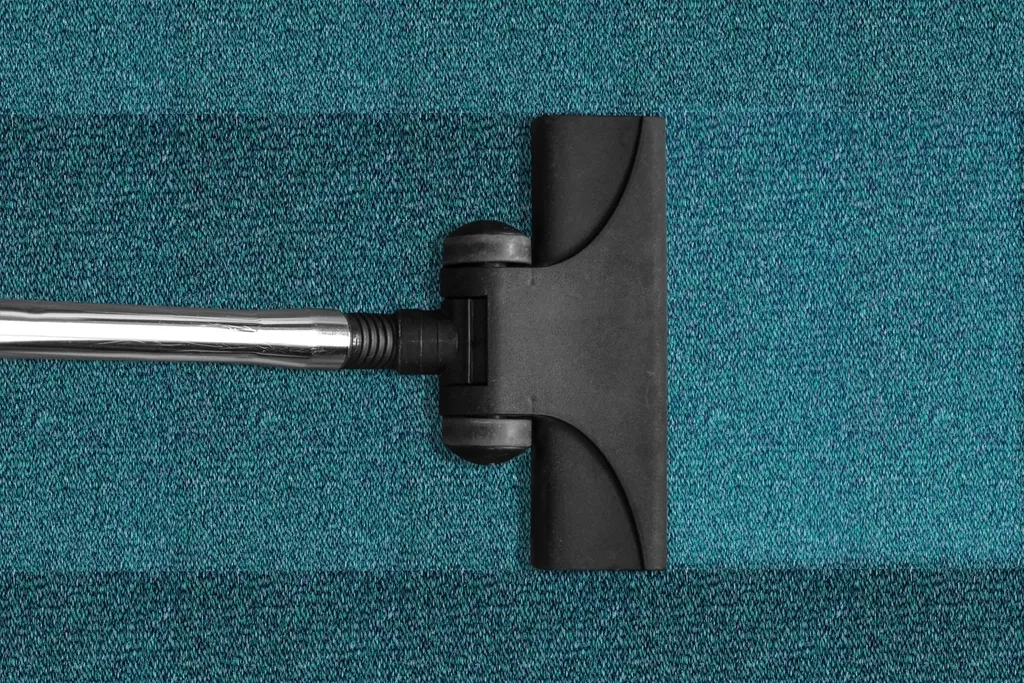
“It runs, but it doesn’t pick anything up anymore.” That sentence opens more phone calls to our Richmond workshop than any other. The good news: lost suction is the most fixable problem in vacuum repair, and about half the time the cause is something you can handle at home in ten minutes. Here are the seven causes we check on the bench, in the order we check them.
1. A full bag or dust cup — including “technically not full”
Obvious, but with a twist most owners miss: a vacuum bag loses airflow long before it looks full. Fine dust loads the pores of the bag material, so a bag at two-thirds capacity packed with drywall dust or pet dander can pass less air than a bag bulging with cereal and lint. If suction dropped after one specific cleanup, the bag is suspect number one — replace it even if it looks like it has room left.
Bagless machines have the same problem in a different costume: the dust cup may be empty while its pleated filter is caked solid.
2. Clogged or saturated filters
Nearly every machine made in the last twenty years has at least two filters — a pre-motor filter that protects the motor and a post-motor or HEPA filter that cleans the exhaust. When either one clogs, the motor is trying to breathe through a pillow.
Washable filters help, but only if they dry completely — a damp filter back in the machine chokes airflow and can grow exactly the smells you bought a filtered vacuum to avoid. And washable doesn’t mean immortal: filter media breaks down with every wash cycle. If your filter looks gray and tired after rinsing, it is.
3. A blockage in the hose or airway
Socks, bottle caps, toy parts, hair clumps — vacuums swallow things at the floor and trap them at the first bend. The classic symptom is strong suction at the machine’s inlet but nothing at the hose end, or a high-pitched strained motor sound.
The drinking-straw test works at home: drop a coin through a detached hose, or shine a flashlight through it. But airways inside the machine body are harder to reach, and on machines like Dysons the blockage often hides in the cyclone assembly itself — fine dust packs into the cyclone cones where no amount of filter-washing reaches. That’s a strip-down job we do constantly on our bench.
4. A worn or stretched belt
On upright vacuums, the belt drives the brush roll. A stretched belt slips, the brush roll slows or stops, and carpet pickup collapses even though “suction” — the airflow — is technically fine. If your vacuum picks up on hard floor but ignores carpet, think belt. A burning-rubber smell is the belt’s resignation letter.
Belts are inexpensive and we stock them for Sanitaire, Oreck, Hoover, and most other brands — this is often a same-visit repair.
5. A jammed or worn brush roll
Long hair and pet hair wind around the brush roll until it can’t spin, which then kills the belt (see above) and pickup with it. Cutting the hair off helps, but if the roller’s bearings scream or the bristles are worn to stubs, pickup stays poor. Modern “anti-wrap” rollers like Shark’s DuoClean resist hair but jam in their own special ways — we service those weekly.
6. Leaks in the airflow path
Suction is a sealed system. A cracked hose, a warped dust cup, a missing gasket, or a bag collar that doesn’t seat means the motor pulls air through the leak instead of through your carpet. Leaks are sneaky because the machine sounds normal — sometimes even louder. On sealed-filtration machines like Miele and Sebo, a leak also quietly defeats the HEPA filtration you paid for, which is why we pressure-test the whole airflow path end to end.
7. A motor reaching the end of its life
When everything above checks out and suction is still weak, the suction motor itself is wearing out — carbon brushes worn down, bearings dragging, or fan blades chipped from years of swallowing debris. This is the one cause on this list that isn’t a quick fix, but it’s also not automatically a death sentence: on quality machines, motors are replaceable parts, and a motor replacement costs far less than a comparable new machine.
What you can do at home vs. when to call
Do at home: replace the bag, wash or replace filters (dry them fully), empty the dust cup, clear visible hose clogs, cut hair off the brush roll.
Bring it in: burning smells, screaming bearings, blockages you can’t reach, cyclone assemblies packed with fine dust, suspected leaks, and anything electrical. Our diagnosis usually happens within minutes of putting the machine on the bench, you get an estimate before any work starts, and every repair carries a 90-day warranty.
If your vacuum has lost its pull, call (804) 262-9683 — the workshop is appointment-only, and most lost-suction repairs are fast. You can also see everything we repair or read about the certifications behind the bench.