
Repair or Replace? How a 30-Year Vacuum Technician Actually Decides
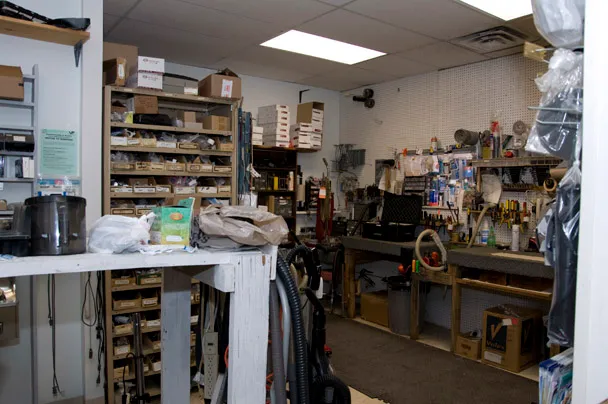
Every week someone sets a vacuum on our counter and asks the only question that matters: “Is this thing worth fixing?” After three decades of answering it, we can tell you the honest framework we use — including the part where we sometimes tell people not to pay us.
The half-price rule
Our rule of thumb since 1995: repair when the cost is under half the price of a comparable new machine. Not half the price of any new vacuum — half the price of a machine of equal quality. That distinction does a lot of work. Replacing a well-built canister with a bargain-bin upright isn’t replacement; it’s a downgrade with a receipt.
When you call for an estimate (estimates hold for 30 days), we’re running that math with you, out loud. And if the repair would ever run more than $25 over the estimate, work stops until you approve it. That policy is older than some of the vacuums we fix.
Why the brand changes the answer
The repair-or-replace answer is mostly decided the day the machine was built.
Machines built to be serviced — Miele, Sebo, Riccar and Simplicity, commercial Sanitaire, and Oreck — use replaceable belts, brush rolls, filters, and motors, and their manufacturers keep parts available for decades. A fifteen-year-old Sebo with a fresh service routinely outcleans a brand-new big-box machine. These almost always earn the repair.
Machines built to a price — much of the entry-level market — fuse the motor into the body, clip housings together so they break on opening, and stop stocking parts within a few years. When the motor fails on one of these, replacement is often the honest answer, and we’ll say so before you’ve spent a dollar.
The middle tier — most Shark, Dyson, Hoover, and Bissell machines — depends entirely on the fault. Brush rolls, belts, batteries, filters, hoses: fix it. A failed digital motor on an aging cordless: now we’re doing the half-price math carefully.
The faults that are almost always worth fixing
- Belts and brush rolls — inexpensive parts, dramatic difference, usually fast turnaround.
- Cords and switches — routine electrical bench work.
- Clogs and packed cyclones — labor, not parts; the machine underneath is usually healthy.
- Batteries on quality cordless machines — a fresh pack revives the whole vacuum, if the rest of the machine tests sound. We test first, every time.
- Pumps on carpet cleaners — a Bissell or Hoover carpet cleaner that stopped spraying looks dead but rarely is.
The faults that trigger the hard conversation
- Motor failure on entry-level machines — the part plus labor crowds the price of the machine new.
- Cracked housings and structural damage — plastic bodies aren’t really repairable, only replaceable, and body parts are often unavailable.
- Water damage — a vacuum that drank from a flooded floor often has corrosion working through the motor and electronics on a delay.
- Obsolete batteries on orphaned cordless brands — when a manufacturer abandons a battery design, we tell you before you sink money into the chase.
What “worth it” misses: the machine you’d replace it with
Here’s the part of the conversation most people don’t expect. When a repair doesn’t make sense, the next question is what to buy instead — and because we repair everything, we know exactly which machines stop showing up on our bench. That’s why we also sell vacuums: the brands we stock are the brands we almost never see back for the same problem twice.
A vacuum should be a fifteen-year appliance, not a three-year subscription. Sometimes the cheapest thing we can do for you is talk you out of a repair and into a machine that ends the cycle.
Get the honest answer in one phone call
Tell us the brand, the model if you know it, and the symptom: (804) 262-9683. Mike can usually tell you over the phone roughly what to expect, and the bench diagnosis happens while you’re standing there. Estimate first, your approval always, 90-day warranty on every repair — that’s been the deal since 1995.