
The Best Vacuums for Pet Hair — From the Repair Bench, Not the Showroom
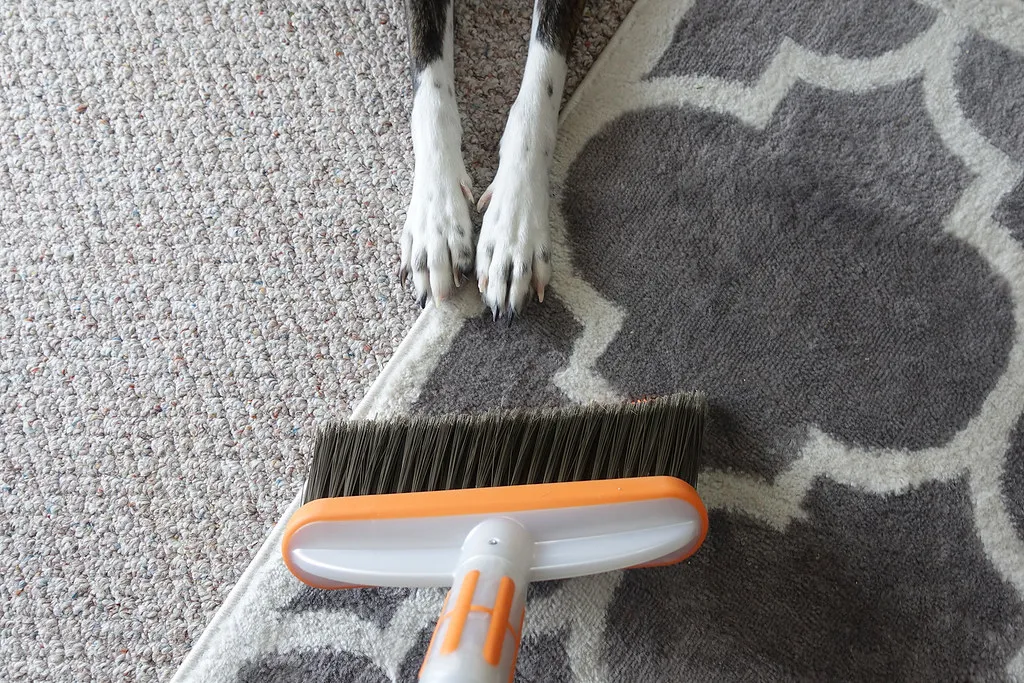
Reviewers test pet-hair vacuums for a week. We see them three years in, wound solid with golden retriever, smelling like the dog, with bearings full of dander. That’s a different kind of product knowledge, and it points to different machines than the ads do. Here’s what the repair bench knows about pet hair.
What pet hair actually does to a vacuum
Pet hair attacks a vacuum in four places:
- The brush roll — hair wraps the roller, works under the end caps, and packs into the bearings. This is the number-one pet-related repair we do.
- The belt — a hair-jammed roller makes the belt slip and overheat. The burning smell in a pet household is almost always this.
- The filters — dander is fine, oily dust. It saturates filters two to three times faster than ordinary house dust.
- The airways — hair clumps love the first bend in every hose.
Notice what’s not on the list: suction power. Almost any healthy vacuum has enough airflow for pet hair. The “pet” battle is won or lost at the brush roll and the filters — which is why the spec that matters isn’t air watts, it’s serviceability.
What to look for (the bench checklist)
- A brush roll you can remove without tools. If clearing the roller is a 30-second job, it gets done. If it needs a screwdriver, it gets done never, and we meet the bearings six months later.
- Anti-wrap roller designs — Shark’s DuoClean and self-cleaning rolls genuinely reduce wrap, though heavy long-hair households still defeat them (we service the self-cleaning combs too).
- Sealed filtration with a real HEPA stage. Allergic to your own pet? The filtration seal matters more than the filter — an unsealed machine exhausts dander back into the room. This is where Miele and Sebo earn their reputation.
- Bagged beats bagless for allergies, honestly. Emptying a bagless cup puts a cloud of dander right back in your face. A self-sealing bag never does.
- Available parts. Pet machines consume brush rolls, belts, and filters as supplies. A brand that stocks parts for fifteen years beats a brand that’s “new and improved” (translation: parts discontinued) every two.
How the brands hold up in a pet household
Sebo and Miele — the machines we recommend to serious allergy households. Sealed systems, easily serviced rollers, decades of parts. They cost more once instead of a little, repeatedly.
Riccar and Simplicity — metal brush rolls and self-sealing bags; the Tandem Air uprights groom pet hair out of carpet exceptionally well and are built to be repaired.
Shark — the best of the mainstream for pets; anti-wrap tech mostly works and the machines are more repairable than their reputation. The cordless ones eat batteries faster in heavy-shedding homes (more drag = more current).
Dyson — strong pickup; the tangle-turbine tools are clever. Weak spot in pet homes is the cyclone pack slowly loading with dander — when suction fades and the filter’s clean, that’s the strip-down service we do constantly.
Bissell and Hoover — the pet-branded lines are decent value, and crucially the carpet cleaners matter: pets are why Richmond owns carpet cleaners. Pumps, brushes, and tanks on these are all routine repairs — don’t throw one away because it stopped spraying.
The maintenance rhythm for pet owners
Take the normal maintenance schedule and compress it: clear the brush roll weekly, check filters monthly, expect to replace filters at twice the no-pet rate, and book the annual service even if everything seems fine — dander gets where you can’t.
The cheapest pet-hair upgrade is a repair
Before you replace a vacuum the dog defeated, call (804) 262-9683. A wound-up roller, a slipped belt, and saturated filters make a healthy machine feel dead — and that’s an inexpensive bench visit, not a new vacuum. Honest estimate first, 90-day warranty always, and if the machine truly isn’t worth fixing, we’ll show you what we’d buy instead — based on what never comes back to the bench.